
How to Structure Your Business Before Hiring Staff
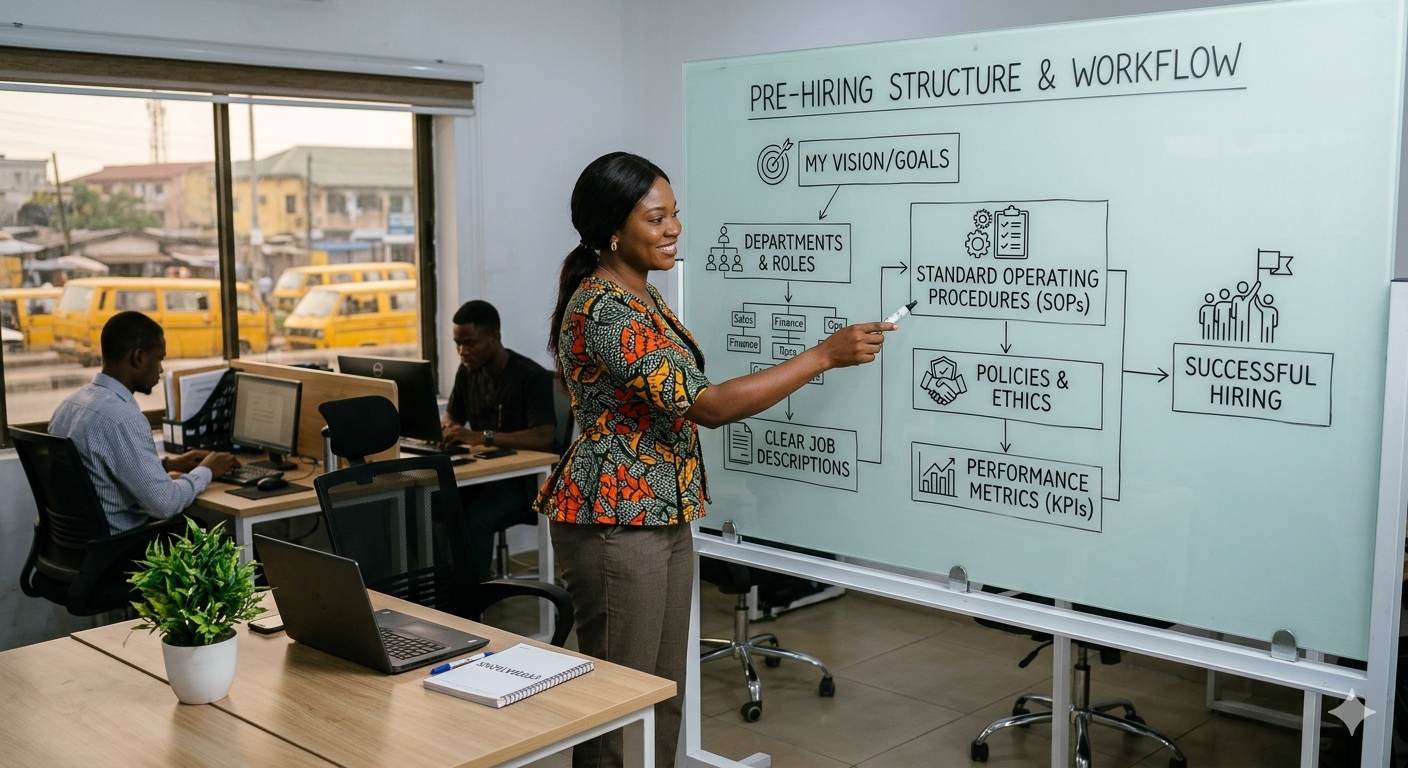
Hiring your first employee is an exciting milestone, but bringing people into an unstructured business often creates more problems than solutions. Before expanding your workforce, it is important to establish the systems and structure that will support your team’s success.
The first step is to define your organizational structure. Even if your business is small, every role should have clear responsibilities and reporting lines. Employees perform better when they understand exactly what is expected of them and who they are accountable to.
Next, develop clear job descriptions for every position. A detailed job description outlines duties, qualifications, performance expectations, and key responsibilities. This helps you recruit the right people while reducing misunderstandings after employment begins.
Documenting your operational procedures is equally important. Standard Operating Procedures (SOPs) provide step-by-step guidance for routine tasks, ensuring consistency and reducing dependence on the business owner. Employees become more productive when they have documented processes to follow.
Establish workplace policies that address attendance, communication, leave, discipline, confidentiality, and workplace ethics. These policies create fairness, professionalism, and consistency across the organization.
Businesses should also implement basic systems for reporting, performance evaluation, and communication before hiring. Regular reporting keeps management informed, while performance reviews encourage accountability and continuous improvement.
Hiring should never be viewed simply as adding more hands; it is about building a capable team that contributes to your business goals. A structured organization empowers employees to perform confidently while giving business owners more time to focus on strategy and growth.
At Busy Pencils Innovations Limited, we help businesses develop organizational structures, staff manuals, SOPs, and management systems that create productive workplaces and support long-term growth.